Learning Through Dancing, Eleanor Bauer
- Datum: 12 nov 2025
- Tid: 11:24
Måndagen den 10 november fylldes Hägerstensåsens medborgarhus stora sal med skolklasser som tillsammans med Eleanor Bauer, och hennes forskningsprojekt Learning Through Dancing, fick utforska nya sätt att lära genom dans och rörelse.
What is Learning Through Dancing?
I have a three-year international postdoc grant from Vetenskapsrådet, the Swedish Research Council, and the title of my research project is Learning Through Dancing. It’s on the subject of how dancing and movement is a way of learning things other than dancing and movement. And I’m working on developing and collecting and finding ways to share exercises for dance and movement in the classroom so that people can have active, embodied ways of learning all of their academic subjects. Because I think that education still has a tendency to be quite sedentary, which is difficult for a lot of students. It’s difficult to hold concentration, even for an adult, to sit still for more than 25 minutes at a time is not advised. You lose blood flow to the brain.
What academic subject is in focus for the project?
The workshop I’m doing here today is with language learning for English. There’s a lot of exercises also for math, the rhythmicality of movement, also the geometry or spatiality of movement. It’s amazing how much you can learn through movement. It’s also shown that just even having spatial awareness reinforces abstract reasoning, so there’s a lot of correlations.
In what ways can you learn through movement?
There’s so much cognitive science and neuroscience and evidence now showing how first of all movement is a primary way of understanding the world but also how all learning is embodied and how physical engagement with subjects, experiential, social, all the things that dance is. Engagement with any topic will make it more memorable, make it easier to learn and sort of reinforce the conceptual learning by integrating it into lived experience. Just talking about how first language is usually absorbed by hearing before you speak. You start to understand the world as it’s being named by your parents or caretakers or teachers or also being told what to do, given instructions. For example “give me your arm to put it through your shirt” or “open your mouth, here comes the food”. Getting language about movement is kind of how language is first learned.
Total Physical Response is this theory of James Asher that you can learn second and third languages kind of imitating the way you learned your first language, just having someone speak about and instruct different actions. And also just moving around and having fun and getting to be silly, can also relax people. A lot of the time people learning a second language are very concerned about getting it right. When you’re two, you’re not thinking about getting it right. You’re not afraid of making a mistake. You’re just babbling until it starts to sort itself out. And the older we get, the more social inhibition gets in the way. Because we know how to speak one language well, and then suddenly we feel like a stupid two-year-old. And we don’t want to feel like that again. So having a playful environment of moving to music and playing games and having it a little more easy and fun hopefully can help people ease into language in a second or third language, at least that’s the hope.
Language and movement are very linked in the brain because of the very close connection between the auto- and motor pathways, we learn to speak by imitating what we hear. It’s the larynx (the muscle) that makes our speech possible. It’s the fastest firing muscle in the body and it’s a very tight connection between the ears and the larynx that makes speech possible. Did you know that the only species that can dance have speech and only species who have speech have dances? Songbirds have dances that they do, and dolphins can do synchronized movements, and they also have very specific speech patterns with each other. Many animals have communicative capacities and many animals can understand speech but the specific ability to reproduce the sounds you hear very specifically and exactly and also create novel combinations, creative speech production, coincides only with those animals that have really rhythmic movement imitation skills also. You’ve seen all those memes of parrots that are dancing to the beat. It’s that the motor skill of imitation coincides with the fine motor skill of speech.
How did the participants seem to react to this way of learning through dancing?
It’s always a great opportunity to move, and this space is huge and big and invites people to move so the kids seem to be just happy to run around in the space first of all. Largely I experience, when I worked with fifth graders at a different school, I heard back from the teachers that they were impressed to see the kids that were usually more shy were speaking up, and the kids that were usually trouble in the class were engaged. That there’s ways that movement engages learners that might not be satisfied or concentrated in a sedentary environment that usually helps.
Om Eleanor Bauer:
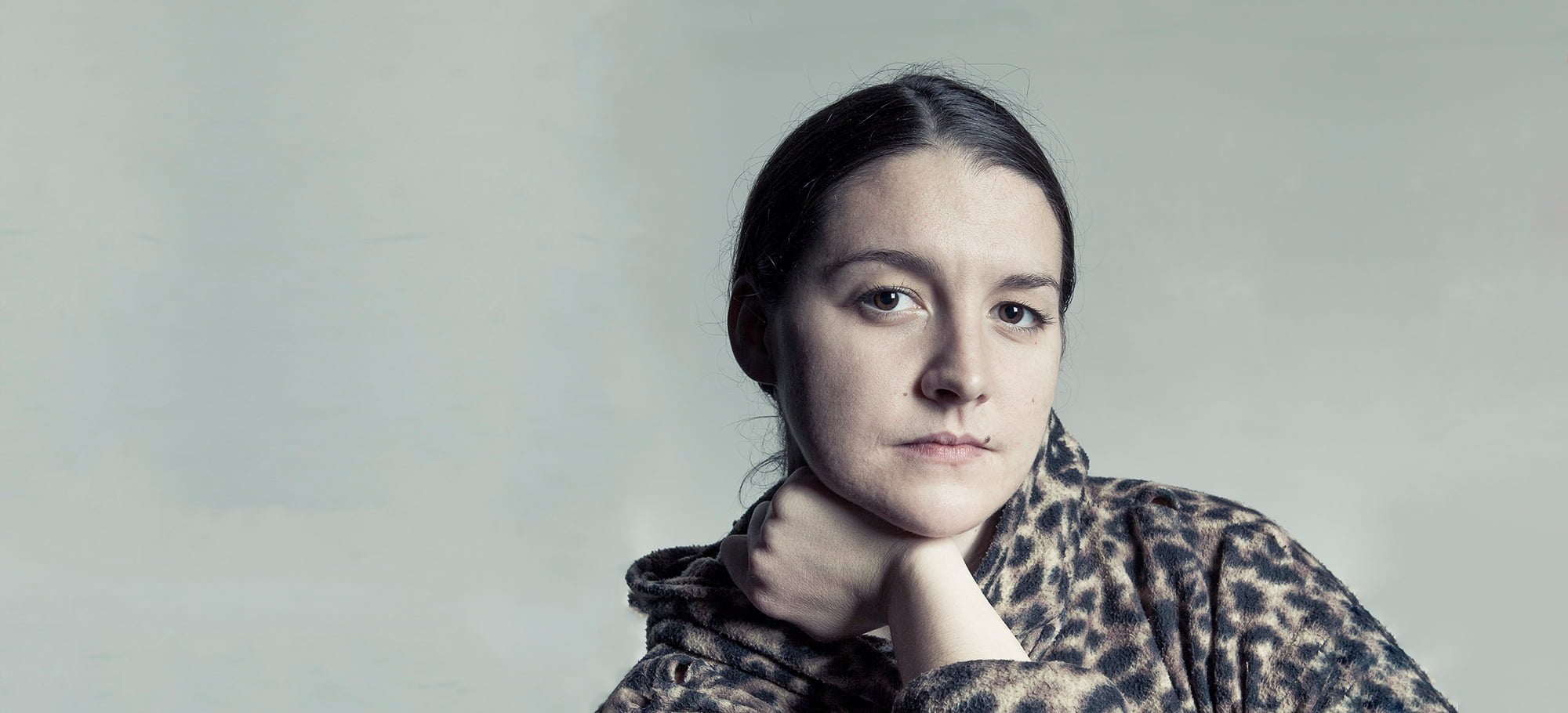
Eleanor Bauer är en amerikansk koreograf, forskare och lärare, vars praktik kretsar kring att skapa mening med sinnena i rörelse.
Intervjuerna är gjorda av Elvira Ränk och Greta Pielage som under hösten 2025 gör sin praktik på Hägerstensåsens medborgarhus.
Foto: Danny Willems